My Monster - Take Care Games
Pixeland OUEducational
3.41.00 Reviews
- Version
- 1.0.2
- Installs
- 50.00K
- Age Rating
- Everyone
Screenshots
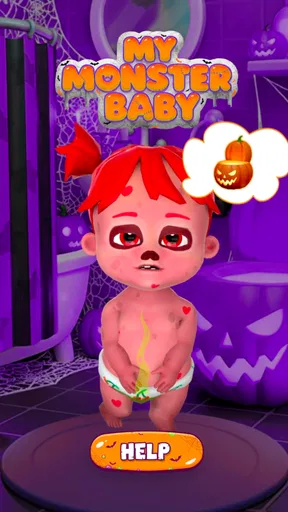
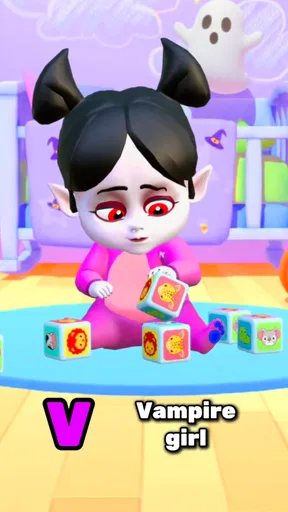
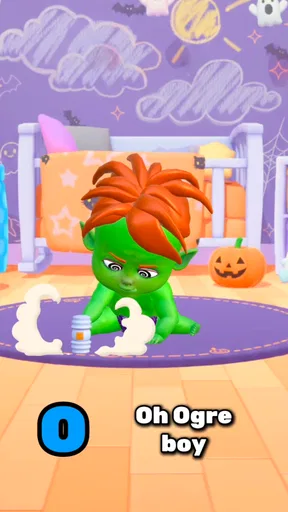
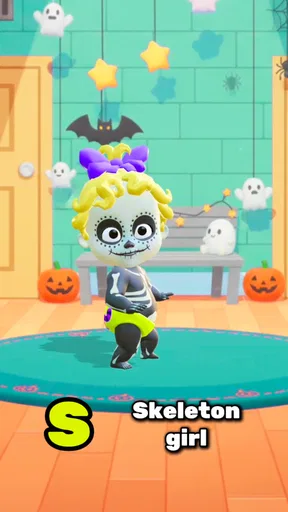
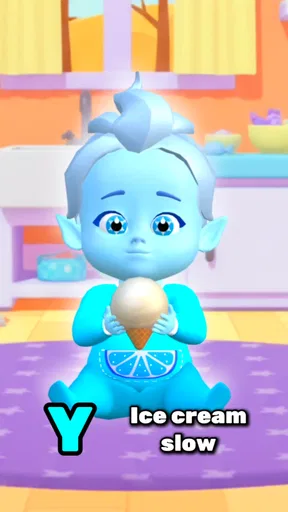
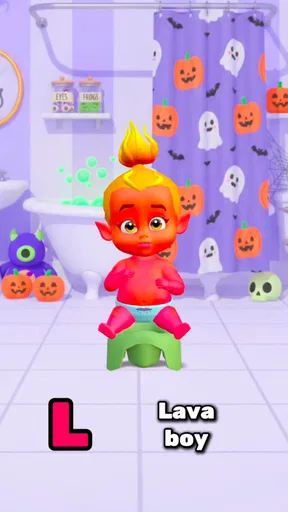
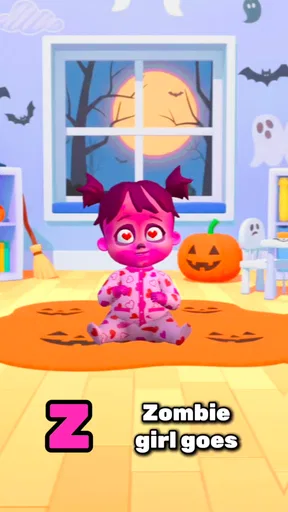
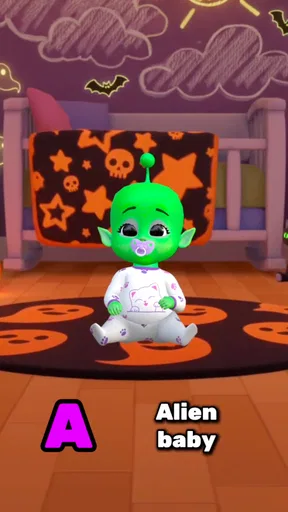
Our Review of My Monster - Take Care Games
 Analysis by Appyee
I spent time with My Monster as a light educational game built around looking after unusual fantasy creatures. Its central idea is easy to understand: instead of sending the player into battles or complicated puzzles, it places the focus on a monster daycare simulator where care and routine are the main attractions. That makes it immediately approachable, especially for younger players or anyone who prefers gentle, character-led play.
My first impression was that the game is aiming for short, friendly sessions rather than a demanding challenge. You are invited to engage with quirky creatures and keep their care at the center of the experience. That simple premise is also the game’s biggest strength and its main limitation. It can be a pleasant change from action-heavy mobile games, but players looking for a deep management simulation or a long-term strategic system may find the experience more modest.
How the daycare loop feels in everyday play
The most natural way to approach My Monster is as a small routine. I would open it when I wanted something calm to do for a few minutes, check on the creatures, complete the available care-focused activity, and then stop when the session felt finished. That makes it suitable for a quiet break, a child’s supervised playtime, or a short change of pace after using more demanding games.
The early goals are deliberately clear. The game does not bury its basic idea under a large amount of terminology or a complicated story setup. The player understands that the creatures need attention and that the daycare setting is the place where progress begins. This clarity matters in an educational game because the first few minutes should teach the relationship between action and result without making the player read a manual.
I also found the creature-care theme more inviting than a standard checklist of abstract tasks. Fantasy monsters give the routine some personality, while the daycare framing makes the player feel responsible for a small group rather than simply tapping through disconnected menus. The appeal depends heavily on whether you enjoy nurturing play, but for the right audience, the creatures provide a reason to return.
A realistic use case would be a parent handing the game to a child during a short waiting period. The child can understand the premise quickly and interact with the creatures without needing the reflexes demanded by a platformer or the reading load of a story-heavy role-playing game. I would still recommend that adults try it first, because the calm tone does not automatically mean every part of the experience will suit every child.
The game is free to start, which lowers the barrier to trying it. At the same time, optional purchases range from $2.99 to $79.99 per item. That is a wide spread, and it is the most important practical point for families to consider before leaving the game unattended with a child. The free entry is useful for testing whether the care loop is enjoyable, but purchase controls should be handled carefully.
What gives the first sessions direction
Early goals work best when they are visible and limited. In My Monster, the daycare concept itself supplies that direction: care for the creatures, observe their needs, and continue building familiarity with the routine. I prefer this kind of opening to games that throw several currencies, maps, and objectives at the player immediately. It lets the player learn by doing.
The trade-off is that a simple beginning can become repetitive if later goals do not add enough variety. A player who enjoys checking on the same kind of activity may be comfortable with that rhythm, while someone who expects frequent surprises may lose interest sooner. The game’s success therefore depends less on a dramatic opening and more on whether its later progress gives the routine a reason to continue.
One useful approach is to treat each session as a small care visit instead of expecting a complete game experience every time. That mindset keeps the pace comfortable and avoids the feeling that a short play period was unproductive. It also makes the game easier to fit around school, work, or family routines.
For younger players, the early stage can support simple habits such as checking an objective, completing it, and noticing the result. I would not describe that as a substitute for a dedicated learning app, but it can make basic sequencing and responsibility feel more tangible. The educational value comes from the structure of caring for creatures, not from formal lessons or a classroom-style curriculum.
How progress communicates itself
Progress in a daycare game needs to be easy to read. Players should feel that their attention has changed something, whether that means improving the condition of a creature, reaching a new care milestone, or opening another reason to return. My Monster’s appeal rests on those signals being understandable rather than buried beneath complex statistics.
I paid attention to how the game’s premise encourages the player to look for visible feedback. A creature-care action feels more satisfying when the result is immediate and recognizable. That is particularly important for children, who may not care about distant rewards but will respond to a clear change in the creature or the daycare environment.
The progress model is also where expectations need to stay realistic. This is not the sort of game I would choose when I want an elaborate technology tree, detailed resource planning, or a competitive ladder. Its progress is better understood as a sequence of care activities and unlock-oriented motivation around the creatures. That can be enough for relaxed play, but it will not satisfy every management-game fan.
A practical tip is to avoid rushing through every available task simply because it appears on screen. With a gentle simulator, the enjoyment often comes from noticing the creatures and the rhythm of the daycare rather than treating the game like a race. If you focus only on clearing objectives, the experience can feel thinner; if you allow yourself to engage with the theme, the same actions feel more coherent.
The developer, Pixeland OU, has positioned the game in the educational category, and that placement makes sense in a broad, informal way. The game encourages attention, sequence, and care through play. However, I would explain it to a parent as an educationally themed game rather than a lesson app. Anyone seeking spelling practice, mathematics, science content, or structured academic progression should look elsewhere.
Challenge and pacing: gentle, but not automatically engaging
The challenge curve is one of the areas where a daycare simulator must be careful. Too little pressure can make the game feel passive, while too much pressure would undermine its welcoming tone. My Monster appears designed around accessible interaction, so I would recommend it to players who prefer low-stress goals over precision, combat, or time-sensitive competition.
That accessibility is valuable for its intended audience. A child who is new to mobile games can concentrate on what the creatures need instead of learning a difficult control scheme. An adult who wants a relaxing distraction can also appreciate the absence of an aggressive competitive atmosphere. The game’s Everyone age rating supports that broad accessibility, although adults should still use their own judgment about purchases and screen time.
The downside is that experienced players may want a sharper sense of mastery. If the game does not keep introducing meaningful decisions, the routine can become predictable. In a care simulator, challenge does not have to mean punishment; it can come from balancing several needs, choosing priorities, or planning a better daily routine. Players should approach My Monster expecting a friendly activity rather than a demanding simulation.
I would compare it with the usual alternatives in two directions. Compared with action games featuring monsters, this one is much less about defeating creatures and more about caring for them. Compared with serious pet or management simulators, it is more approachable and fantasy-oriented, but likely less suitable for players who want detailed systems and long planning sessions. That distinction is more useful than simply calling it “fun” or “educational.”
The pacing also affects how long a session feels rewarding. Short visits work well because they preserve the gentle mood. Longer sessions may depend on how much variety the available goals provide. My advice is to play in small intervals at first, then decide whether the progression gives you enough reason to stay longer. That is a better test than judging the game after rushing through its opening.
Unlocks, return motivation, and the pressure to keep playing
Any game built around creatures and care needs a reason for the player to come back. My Monster uses the promise of continued daycare activity and creature-focused progress as its main retention idea. That is a natural fit: players return because they want to see what comes next and maintain their connection with the fantasy residents.
The important question is whether returning feels like a choice or an obligation. I prefer games that make progress feel rewarding without making the player feel punished for taking a break. My Monster is at its best when it functions as a welcoming visit rather than a daily chore. If you enjoy routines, that can be comforting. If you dislike repeated check-ins, the same structure may feel like pressure.
In-app purchases add another layer to that decision. Because individual items can cost as much as $79.99, I would not recommend treating the game as automatically harmless just because the download is free. Parents should review device purchase settings, and adult players should decide in advance whether they are willing to spend anything. The safest way to evaluate the game is to enjoy the free portion first and resist buying simply to speed up curiosity about later content.
This is also where My Monster differs from a one-time paid educational game. A paid title usually gives you a clearer sense of the total cost before play begins, while a free game with optional purchases lets you enter easily but asks you to manage spending later. Neither model is always better. The free model suits cautious testers; the fixed-price alternative suits people who want predictable budgeting.
Another useful tip is to judge the game by the quality of its ordinary routine, not by the most attractive possible unlock. If the basic care actions are already pleasant, later progress becomes a bonus. If the opening only feels worthwhile because you are waiting for a future reward, the game may not hold your attention once the novelty fades.
Who should play it, and who should skip it
I would recommend My Monster to children who enjoy fantasy creatures, families looking for a gentle game to try together, and adults who want a low-pressure daycare-style experience. It is also a reasonable choice for players who find combat-heavy monster games tiring and would rather interact with creatures in a caring role.
I would be more cautious about recommending it to players who want deep simulation. If your ideal game involves detailed schedules, complex economies, extensive customization, or difficult strategic choices, this may feel too light. It is also not the right replacement for a focused educational app, since its learning value comes through the care theme rather than a defined school subject.
The average rating is 3.4 from around 88 ratings, with roughly one written review. I would read that as a reason to try the game personally rather than assume it will suit everyone. The audience is still relatively small, so the rating offers a useful signal but not a complete picture of how different kinds of players respond to the pacing.
My Monster was released on September 26, 2025, and the current version is 1.0.2. It runs on Android 7.0 or later, which makes it accessible on many older compatible devices. That does not guarantee identical performance on every phone or tablet, but it does make the minimum software requirement less demanding than many newer mobile releases.
My verdict on the progression
My Monster succeeds when it keeps its promise of calm, creature-centered play. The early goals are understandable, the daycare setting gives the actions a reason, and the overall pace is more welcoming than competitive. I especially like the way the fantasy theme can turn a basic routine into something a child may find emotionally engaging.
Its progression is less convincing for players who need constant novelty or complex decisions. The game has to rely on the charm of its creatures and the satisfaction of care, so anyone who does not connect with that loop may find the goals repetitive. The purchase range also means families should approach the free download with sensible spending safeguards rather than assuming there is no financial risk.
After trying it, I would describe the game as a gentle educational experience for short sessions, not as a full-scale management simulator. It is worth testing if you like nurturing fantasy games and want something approachable. I would skip it if your priority is academic instruction, demanding strategy, or a clearly fixed total cost.
My final recommendation is to start slowly, enjoy the free care loop, and judge the game by how satisfying the ordinary daycare routine feels. If the creatures make you want to return without needing constant rewards, the progression should be pleasant enough to support regular play. If you are already looking for deeper systems, a more structured learning title or a richer simulation will probably be a better match.
Verdict
Strengths of My Monster - Take Care Games
- Cute monster designs appeal to younger players.
- Simple controls make it easy for children to play.
- Short activities are suitable for quick play sessions.
- Bright visuals create a cheerful, friendly atmosphere.
- Care tasks encourage gentle, responsible play habits.
Limitations of My Monster - Take Care Games
- Gameplay can become repetitive after the first few sessions.
- Some features may be locked behind in-app purchases.
- Frequent prompts could encourage children to request purchases.
- Progress may feel slow without watching ads or spending money.
- The app may require parental supervision for younger children.
Other Releases by Pixeland OU
View All
Kick Monster・Smash Giants Game
Casual4.2

My Baby Care: Virtual Daycare
Educational4.1
Similar Picks in This Category
View All
Little Panda Policeman
BabyBus4.0

Monster Trucks Game for Kids 2
Raz Games4.1

Little Panda's Chinese Recipes
BabyBus4.4

Little Panda's Restaurant
BabyBus4.4

Little Panda's Ice Cream Games
BabyBus4.3

Baby Panda Care
BabyBus3.8
Frequently Asked Questions
What is My Monster - Take Care Games?
My Monster - Take Care Games is a casual virtual-pet game in which you look after a cute monster and help it grow. The main activities usually include feeding, cleaning, entertaining, and caring for your character, along with simple mini-games and customization options. It is designed for relaxed, family-friendly play rather than complex strategy or competitive gameplay.
How do you play and take care of the monster?
The core gameplay is based on monitoring your monster’s needs and responding to them regularly. Depending on its condition, you may need to provide food, keep it clean, play games, or let it rest. Completing these everyday tasks helps maintain its happiness and progress. The controls are generally simple, making the game accessible to children and casual players.
Is My Monster - Take Care Games free to download?
The game is generally available as a free download, but the exact availability and pricing can vary between Google Play and the App Store. Free games of this type may include optional in-app purchases, advertisements, or paid items for customization and faster progress. Before installing, check the store listing for current costs, supported devices, and purchase information.
Does the game require an internet connection?
Basic virtual-pet activities may work without a constant internet connection, which is useful when playing while traveling or away from Wi-Fi. However, some features can depend on online access, including advertisements, updates, cloud-related functions, or purchases. Because requirements may change with updates, it is best to test the game offline after installation rather than assuming every feature will be available.
Is My Monster - Take Care Games suitable for children?
The simple care-based gameplay and colorful monster theme make My Monster - Take Care Games potentially suitable for younger players, but parents should still review the store rating and privacy information before downloading. Advertisements, optional purchases, and external links can differ by version or device. Using parental controls and disabling unauthorized purchases is recommended when children play independently.
Play our best games!


